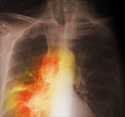
Bronchitis And Its Infectious Nature
Ever heard your doctor mention the term bronchitis? This is actually a chronic or acute swelling or soreness of the mucous membranes of the respiratory system's tracheobronchial tree (trachea or windpipe and the bronchial tubes). Under some circumstances, it may or may not be contagious.
There are two kinds of bronchitis, long term or chronic and short term or acute bronchitis.
Acute is manifested by fever, hypertrophy or increase in the size of the mucus secreting tissues, productive cough, sore throat, chills, runny nose, headache, general malaise, and back aches. While chronic is a debilitating illness that is caused by persistent coughing with an immense production of phlegm or mucus by the glands of the bronchi and trachea. To be considered as chronic bronchitis, coughing with phlegm must persist for no less than three months for two successive years.
Common causative factors of both kinds of are bacterial infection, viral, infection, and environmental pollution (such as cigarette smoking, chemical fumes, etc).
In diagnosing a patient for bronchitis, the physician primarily takes a health history and observes for telling signs of the disease. The medical professional will auscultate or listen to the patient's chest through a stethoscope for sounds that may be a sign of inflammation of the lungs. These sounds could be moist rales, crackling, and wheezing. Wheezing is a sign of narrowing of the air passages, crackling is like the sound of hair being rubbed together, and moist rales is a bubbling sound that indicates fluid secretion in the bronchial tubes.
A sputum culture may be ordered by the physician in case of suspicious color or some streaks of blood. This is done to identify what kind of infection or what type of bacteria or virus is present in the respiratory tracts which consequently help the physician in formulating a treatment plan for the patient. Sputum is collected by instructing the patient to breathe deeply and cough out the phlegm then spit out into a container. Sputum collection is best done in the morning before breakfast or any food intake. The sample will then be sent to the laboratory and results will come out within three days.
But sputum collection in patients with chronic is sometimes done through a method called bronchoscopy. The patient is administered with a local anesthesia and then a tube is inserted in the respiratory tract to collect the sputum. For further analysis, the physician may also order chest x-rays and blood tests.
With these tests and examinations, the physician will not only determine what type of treatment is best for the patient but will also determine if the of the patient is contagious or not. If it is contagious then precautionary measures are employed.
Both acute and chronic can be contagious. The cause of its being contagious is due to viral or bacterial infections. Common viruses, but are not limited to this list, that cause are influenza virus, adenovirus, and Mycoplasma pneumoniae.
Bronchitis can be caused by two influenza strains: influenza A and influenza B. However, these two strains can be avoided if the patient takes a yearly shot of influenza virus vaccine which will help the patient to be immunized from the virus. The adenovirus on the other hand, can be any of the forty-nine medium sized viruses of the family Adenoviridae, which is pathogenic (disease causing) to man. It does not only cause disease in the respiratory tract but also may cause cystitis, conjunctivitis, and gastro-intestinal infection. Mycplasma pneumoniae is highly contagious among young children and adults.
With virus-caused antibiotics are quite useless since it can only fight off bacterial infection. Virus infection is self-limiting, though, and may clear out within fourteen days providing the is uncomplicated.
If there is an underlying bacterial infection, then the physician will likely prescribe antibiotics to kill off the bacteria and to prevent its further widespread to neighboring organs. Patients should religiously take the antibiotic medication as prescribed to prevent relapses and avoid any resistant bacterial strains to develop.
Prevention from acquiring contagious is possible. Individuals must have an adequate amount of healthy nutrition and rest to improve their immune systems especially during the cold season. Washing hands regularly can also help prevent the spread of viruses and bacteria. Having clean surroundings can also avoid bacterial or viral caused bronchitis.
|
bronchitis articles |
|
Prescription Guide: Common Antibiotic For Bronchitis
An antibiotic is a medicine. Its main goal is to destroy or put off the development of bacteria. There are specified uses of antibiotic depending on the type of infection which inflicts Read more...
|
Pregnancy Watch: What You Need To Know About Bronchitis
"A new life..." - pregnancy is a momentous moment for a couple. It denotes the fruit of a man and woman's love for each other. Most significantly, it signifies that another individual will Read more...
|
|