Understanding The Foundation Of Chronic Bronchitis
A medical diagnosis manifested by a productive cough of the sputum occurring for more than three months can be deemed as chronic bronchitis. It can occur consecutively for two years along with the obstruction on air passages. Pulmonary testing helps in proper diagnosis through documentation of reversible characteristics of airways obstruction.
The current foundations of chronic management are sympathomimetic agents and inhaled ipratropium bromide. Although theophyllinne is a very important therapy, its usage is only limited to narrow therapeutic effects. Orally taken steroids are reserved from patients demonstrating improvements in airflow. Antibiotics also play an important role for alleviating acute exacerbations. Others include smoking cessation, nutritional and hydration support, supplemental oxygen, and strengthening respiratory muscles.
Chronic is considered one of the most common COPD (chronic obstructive pulmonary disease) illnesses. In fact, this is the fourth major death cause in the U.S. There are approximately ten million Americans who are affected by COPD to some extent causing 40,000 deaths in a year.
The major risk factor in developing chronic is cigarette smoking. More than ninety percent of the patients have smoking histories, although fifteen percent of cigarette smokers are diagnosed ultimately with obstructive disease of the airways. Studies revealed that persistent active markers of airway inflammation upon bronchial specimen's biopsy are found in symptomatic ex-smokers, even if these people already halted their smoking habit for thirteen years.
There are three major bacterial pathogens found in people with chronic bronchitis. It includes Streptococcus pneumoniae, Moraxella catarrhalis, and Haemophilus influenzae. A speculative explanation between chronic and infection interactions is due to the low colonization density of infectious agents on the lower respiratory tract which cause inflammatory reaction and triggers succeeding acute exacerbations.
Documentation which supports this concept is taken from various studies of patients affected by chronic bronchitis. The bacteria associated with IgE circulate in the body of the patients triggering histamine release after exposure to similar cultured bacteria of the lower respiratory tracts. Added mechanisms including neurogenic inflammation is then developed causing chronic symptomatic flare-ups. Thus the disease may continue because inflammatory mediators are sustained.
Diagnostic testing on the obstruction of the air passages must be done. Pulmonary function testing is recommended to determine how the patient responds to inhaled therapy such as bronchodilators. The obstructive disease of the airway is defined by the measured FEV1 (forced expiratory volume)/ FVC (forced vital capacity) ratio.
Most adults over their mid-life years, physiologic changes related to their age and elasticity of their lungs can cause a 30mL FEV1 decline in a year. Progressive declines of FEV1 rates means prolonged suffering from chronic bronchitis. The obstruction in the air passages caused by excessive sputum production can confirm chronic diagnosis.
1. Blood tests. Advanced chronic is determined through blood sampling taken from the artery. Usually, hypoxemia is very common characterized by ventilatory failure next to inflammation and bronchospasm. If ventilatory exchange of gas worsens, the condition is called concomitant hypercapnia. Testing through blood samples can also determine mild polycythemia.
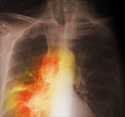
2. Chest radiograph. This tests although correlate poorly with chronic symptoms in many patients, still, findings can be determined such as blebs, hyperinflation, bullae, peribronchial markings, and diaphragmatic flattening.
3. Electrocardiogram. This test is able to recognize disturbances in the supraventricular rhythm which include atrial flutter or atrial fibrillation, atrial tachycardia having "P" pulmonale. Airway biopsy findings also include submucosal and mucosal inflammation, hyperplasia of goblet cell, and increased muscle smoothness on the small noncartilaginous air passage.
4. Sputum cultures. This is limited for patients that have never been admitted in hospitals but displays acute chronic exacerbations. It is because cultures of samples never reflect any presence of the organisms in bronchial distal levels. The sputum's gram stain is a way of determining if antibiotic therapy is needed. Protected-tip sputum cultures are suggested for hospitalized patients especially if atypical organisms cause the exacerbation.
The whole ten years of mortality rate after the chronic diagnosis is fifty percent. Respiratory failure after acute exacerbation is often the most terminal event. It is because bacterial infections often follow, characterized by fever, purulent sputum, and worst poor ventilation symptoms. Other precipitants include seasonal changes, infections of the upper respiratory, medications, and prolong exposure to pollutants and irritants. However, understanding the role of mediators which cause inflammation in chronic led on a better management of the disease.
|
bronchitis articles |
|
Pediatric Bronchitis: The Scourge Of Childhood
Bronchitis is a lower respiratory tract problem that is manifested by an inflammation and/or infection of airways which includes the trachea and larger air tubes that carry oxygen into the Read more...
|
Respiratory Survival: Holistic And Medical Approach For Allergy, Asthma, Bronchitis, Cold, And Sinusitis Treatment
Today, there are a lot of studies about different approaches to heal different illnesses. Some are more inclined in the traditional way where it has been proven effective for a lot of years Read more...
|
|